
NUCRO-TECHNICS CHALLENGES ONTARIO'S DOG AND CAT TESTING BAN
Update October 12, 2026 - Nucro-Technics is asking the Ontario Superior Court of Justice to overturn the province's ban on invasive medical research on dogs and cats and on breeding them for research. The ban is scheduled to take effect on January 1, 2027. Nucro-Technics is also seeking an injunction to prevent the ban from taking effect or being enforced while its challenge proceeds. Read Nucro-Technics' Superior Court challenge here.
LCA strongly condemns Nucro-Technics attempt to overturn these protections. Dogs, cats, and all animals deserve protection from invasive experiments, and we will continue to expose suffering and advocate for change. Please watch and share LCA's investigation to help keep these animals, and what they endured, in the public eye.
WATCH AND SHARE LCA'S UNDERCOVER VIDEO
WHAT NUCRO-TECHNICS IS ARGUING
In its court challenge, filed in September 2026, Nucro-Technics argues that Ontario exceeded its constitutional authority by enacting the ban (read the court challenge here). It claims the prohibitions and penalties serve a moral purpose and therefore fall within the federal government's exclusive authority over criminal law. To support this argument, Nucro-Technics cites Ontario Premier Doug Ford's public statements opposing experiments on dogs and cats.
Nucro-Technics also argues that the ban conflicts with federal animal-cruelty law and drug-safety requirements. It contends that federal law prohibits "unnecessary" animal suffering and that Ontario cannot prohibit research-related suffering the company considers necessary. It further claims that dog studies are practically required for certain drugs and that the ban would obstruct research needed to advance human clinical trials.
To justify an injunction, the company warns of disrupted research, lost clients and employees, reputational damage, and delays in drug development. It asked the court to invalidate the testing and breeding prohibitions, related penalties, and regulatory provisions-or alternatively, declare the ban inoperative where it conflicts with federal law. These are the company's arguments, not court findings: the application itself does not establish that the ban is unconstitutional or that an injunction has been granted.
NUCRO-TECHNICS SHOULD CHOOSE NON-ANIMAL METHODS OF TESTING OVER ANIMAL SUFFERING
According to the U.S. Food and Drug Administration, over 90% of drugs that clear animal studies ultimately fail to receive FDA approval, often due to safety or efficacy issues identified in human trials. New Approach Methodologies (NAMs) - including human liver-on-a-chip systems, lab-grown human tissues, and computer models - offer opportunities to assess toxic effects without subjecting animals to invasive experiments.
U.S. legislation is helping advance this transition: the FDA Modernization Act 2.0 opened the door to non-animal testing methods in drug development, and the FDA is actively working to reduce and replace animal studies where suitable alternatives exist. Nucro-Technics should help accelerate this compassionate scientific progress by expanding and validating human-relevant methods, not by fighting to preserve invasive experiments on dogs and cats.
TESTED, DISSECTED, AND TRASHED:
LCA EXPOSES SUFFERING AT CANADIAN ANIMAL RESEARCH LABORATORY
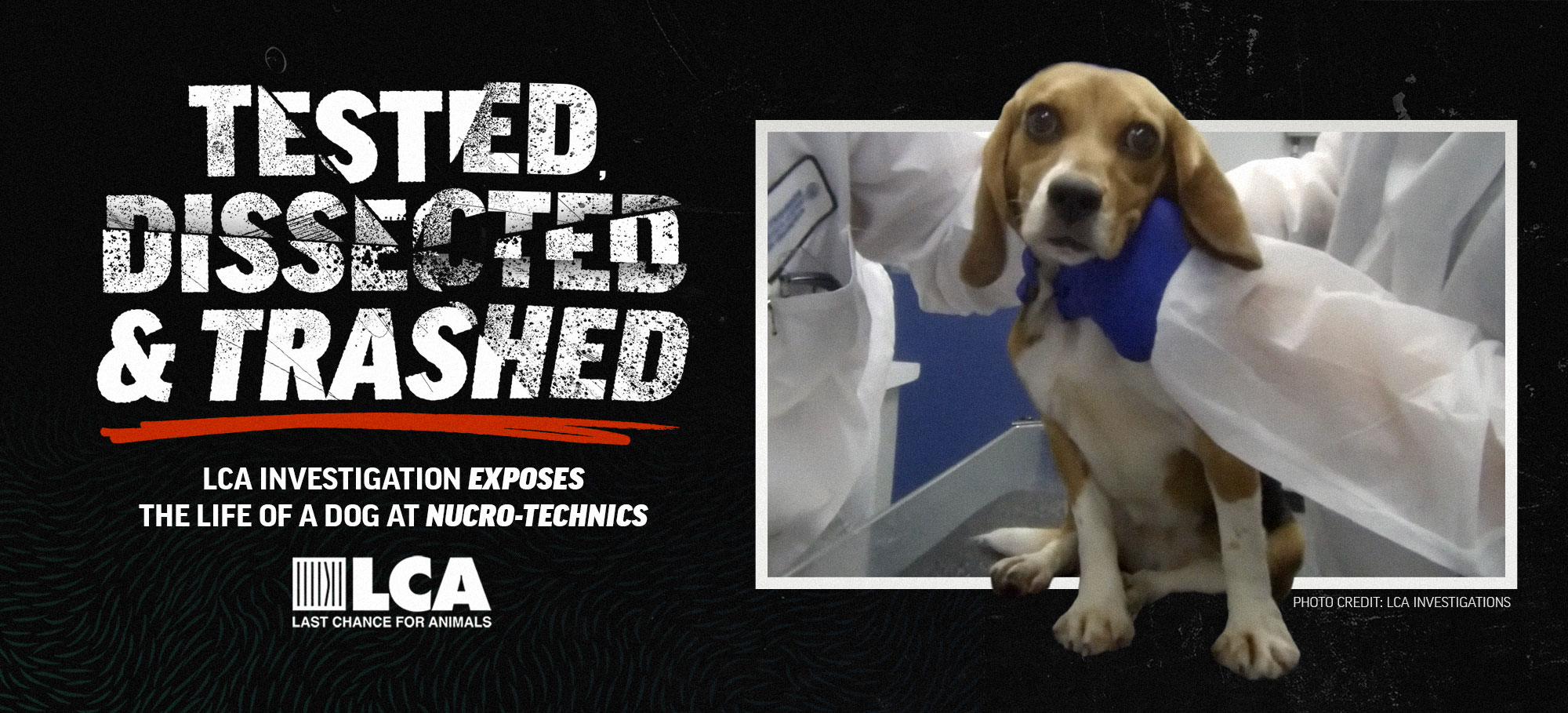
Released 12/19/2025 - An undercover investigation by LCA exposes the suffering of dogs inside Nucro-Technics, a toxicology animal research laboratory in Scarborough, Ontario, Canada.
On 11/24/2025, the Investigative Journalism Bureau (IJB) in Ontario released a major investigative report, "Surgeries without anesthesia, severed vocal cords: The dog farm supplying an Ontario lab," which included LCA's investigative footage of Nucro-Technics. As a result, Nucro-Technics is under investigation by the Canadian Council on Animal Care (CCAC). Read the IJB article here.
Over the course of six months in 2023, LCA's investigator documented the treatment of beagles used in pharmaceutical drug testing at Nucro-Technics.
SUFFERING IS "STANDARD PRACTICE" IN ANIMAL RESEARCH FACILITIES
Nucro-Technics bills itself as the largest contract animal research facility in Canada, operating in a 60,000-square-foot facility with more than 170 employees. Their website describes them as a "contract support organization for the pharmaceutical, biotech, medical device, and marijuana industries." LCA's footage shows tests on beagles aged 6 months to 2 years for pharmaceutical drugs. The dogs were repeatedly subjected to tests that included drug injections (subcutaneous and intramuscular), gavage, and oral dosing. At the end of the studies, dogs were documented being killed by using pentobarbital administered into their front paws through an IV line, necropsied, and thrown into garbage cans.
THE INVESTIGATION DOCUMENTED:
- Beagles experiencing severe adverse reactions to test items, including collapsing, vomiting, and skin lumps.
- Beagles struggling and crying during tests.
- A gavage tube accidentally inserted into a dog's lungs rather than the stomach.
- Beagles witnessing procedures on other beagles.
- Beagles housed in solitary cages or pens exhibiting stereotypic pacing behavior.
- Facility employees and a study sponsor openly admitting they did not know the drug's active ingredient or what blood levels they were supposed to measure.
- Use of invasive procedures, including jugular blood draws, catheterizations, and EKGs, where dogs struggled so much that their legs were bound together.
- While a dog was being killed, the IV line delivering the pentobarbital fell out of the dog's paw vein, and the dog started thrashing. The technician had to stop the killing and reinsert the IV line.
- Beagles exercise indoors for only 15 minutes a day, Monday to Friday.
- Beagles arriving at Nucro-Technics from Ridglan Farms.
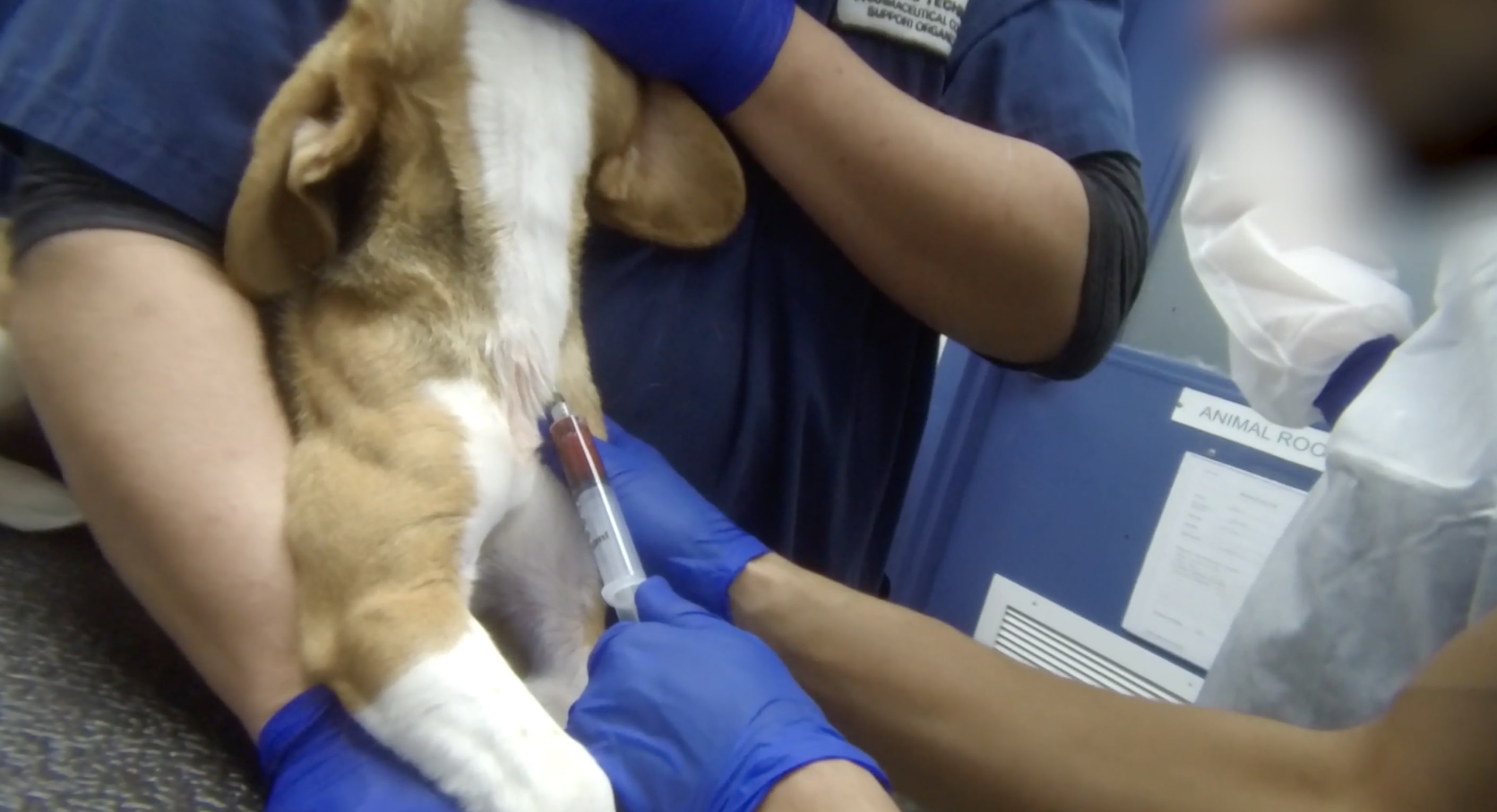 Blood Draw |
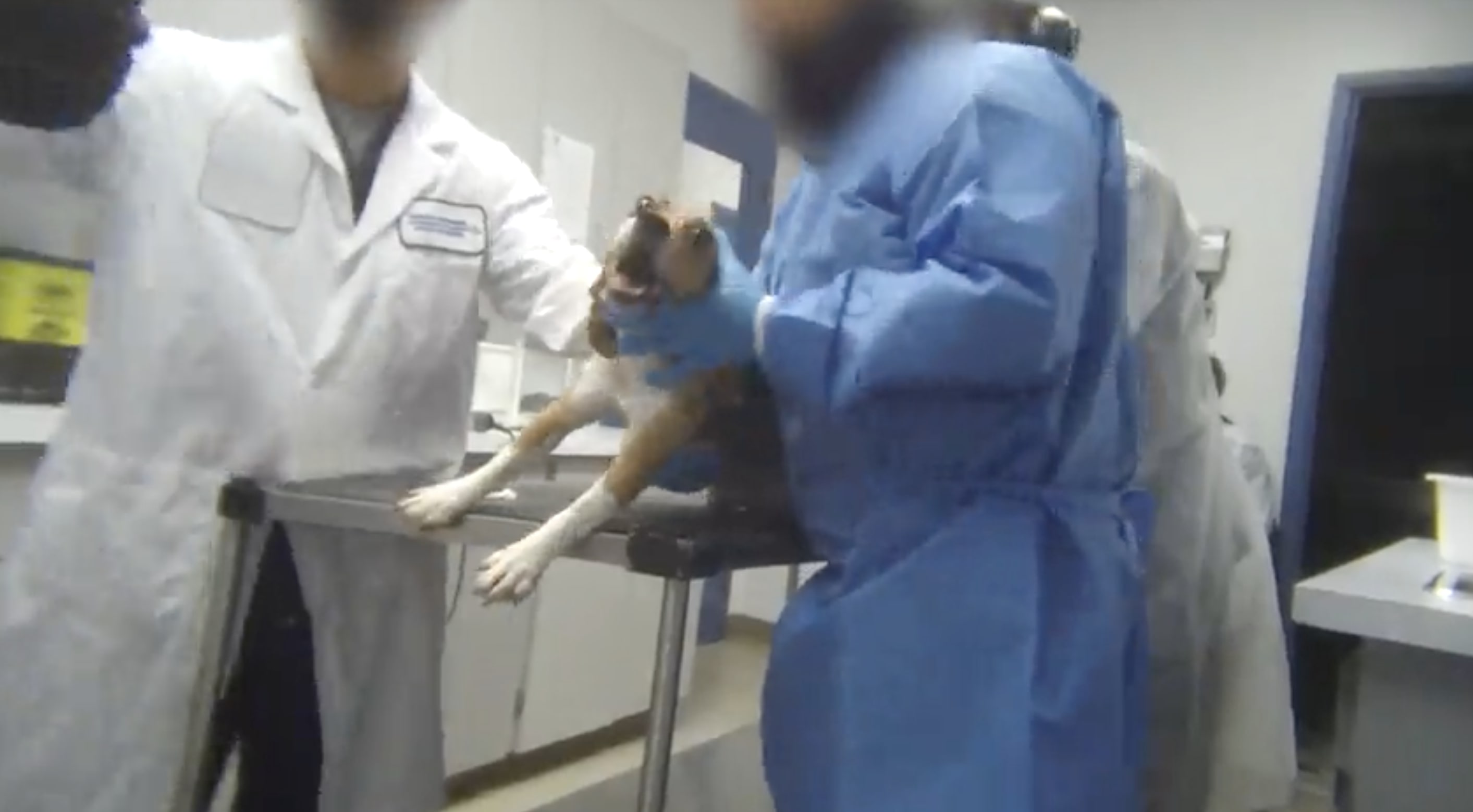 Collapse on Exam Table |
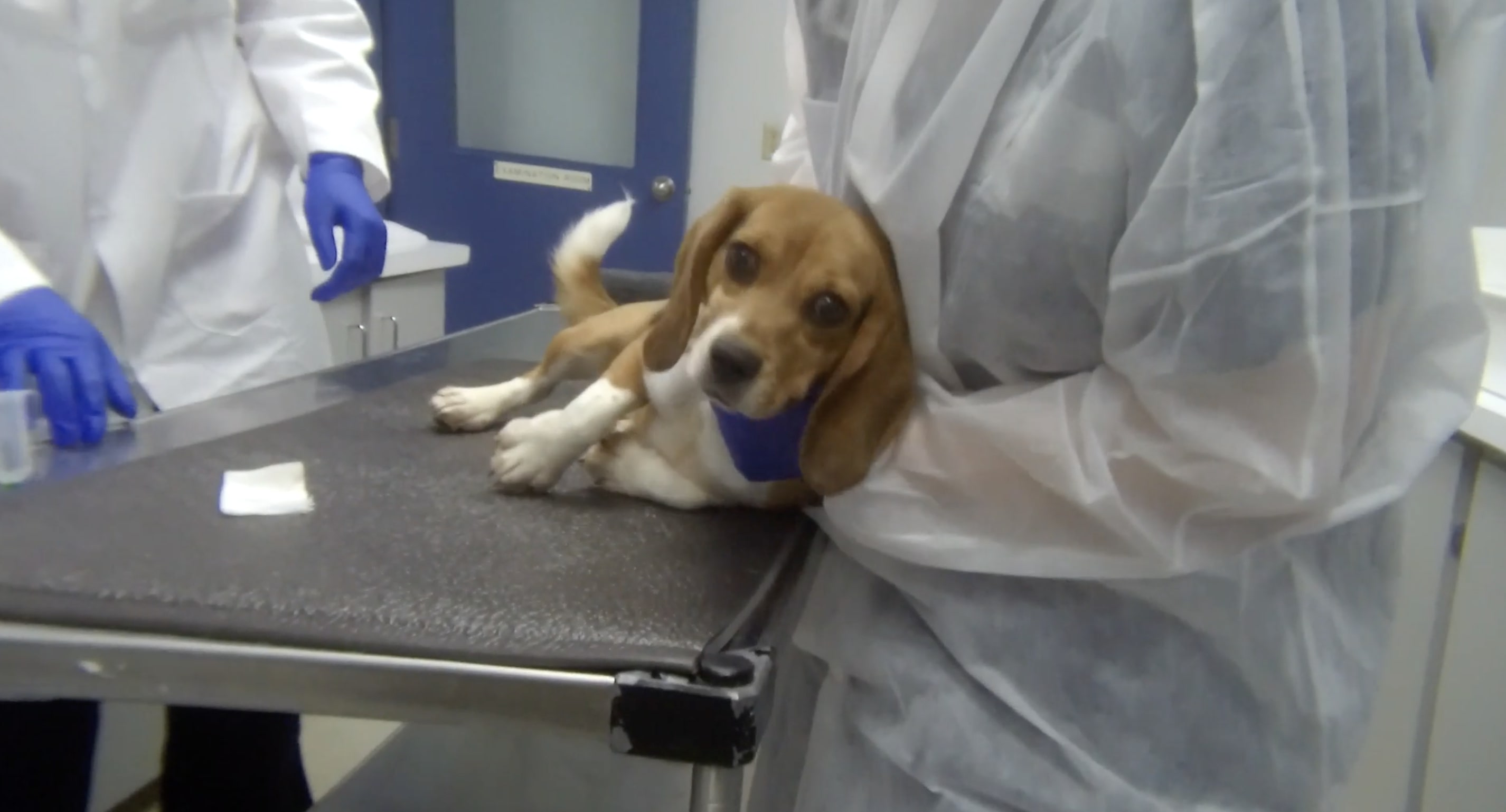 Collapse on Exam Table |
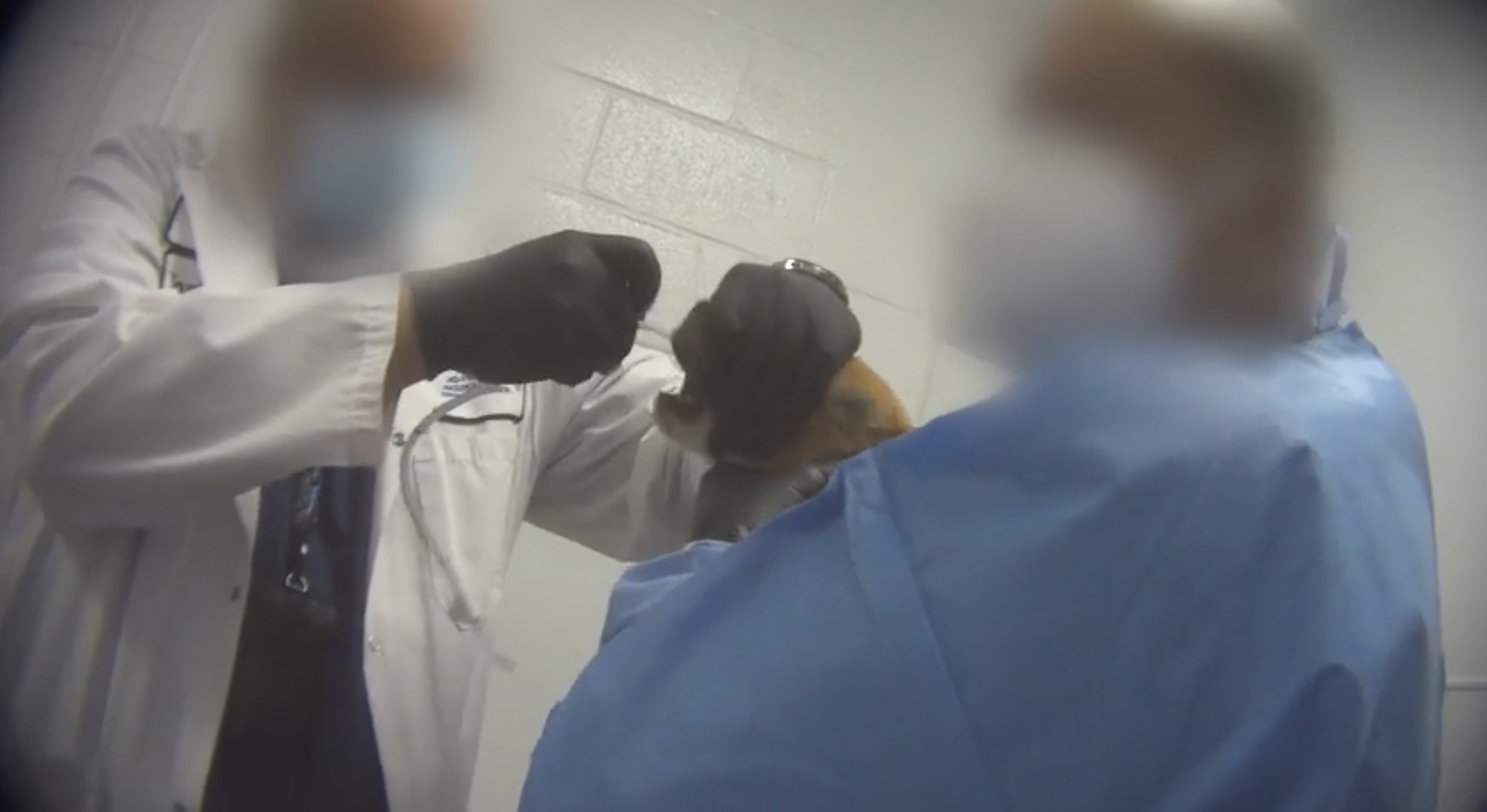 Gavage Study |
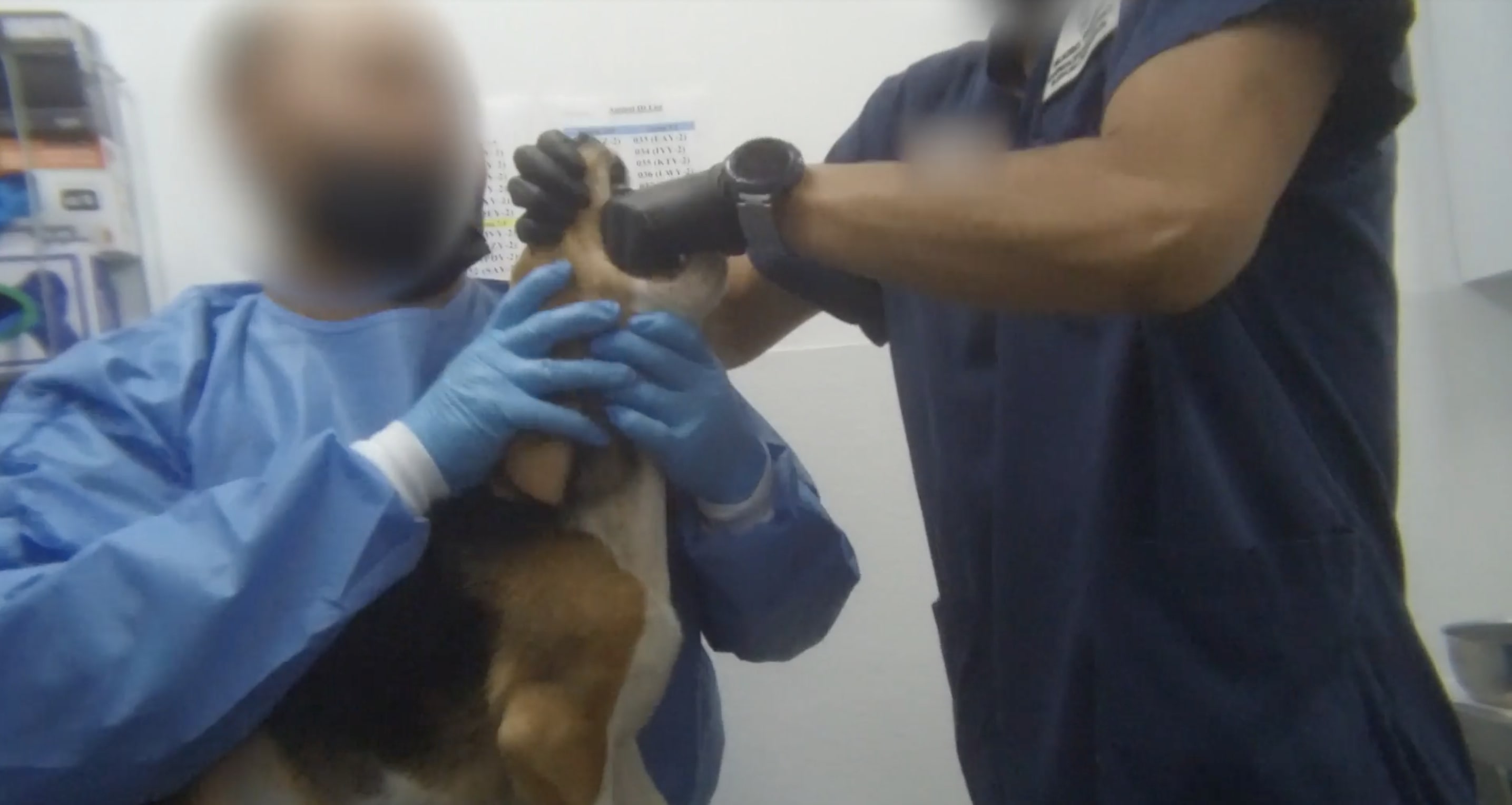 Pill Study |
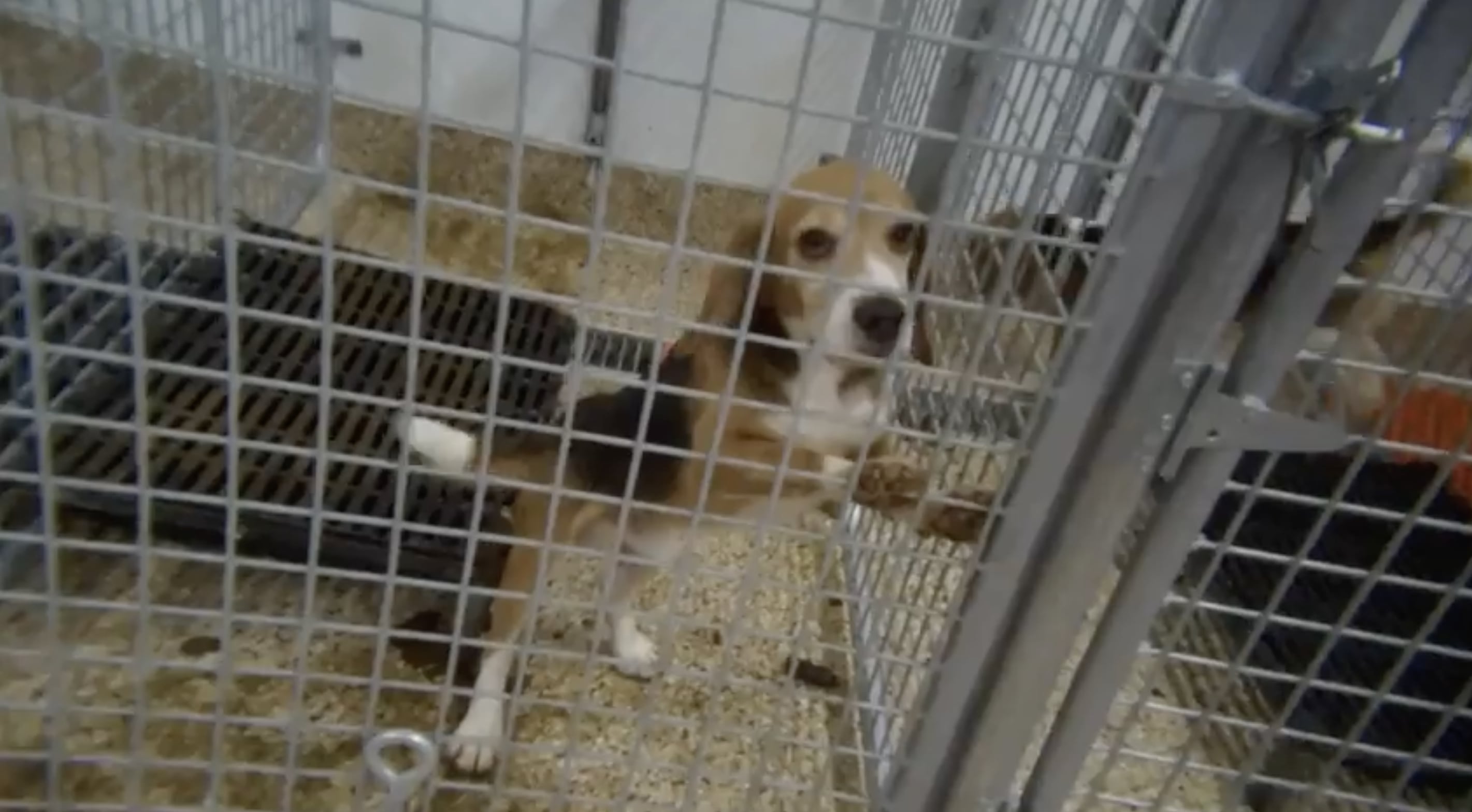 Quarantine Pen |
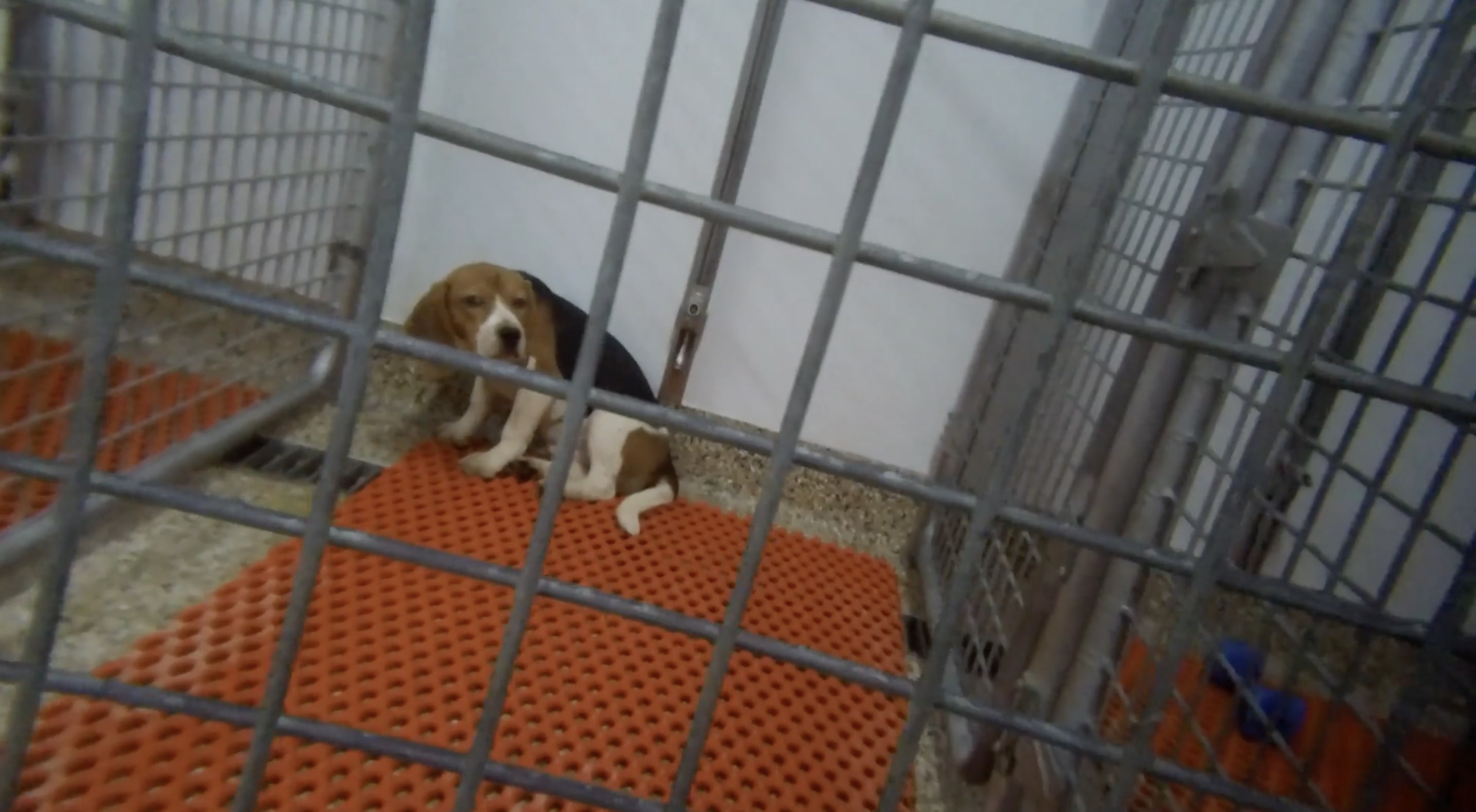 Quarantine Pen |
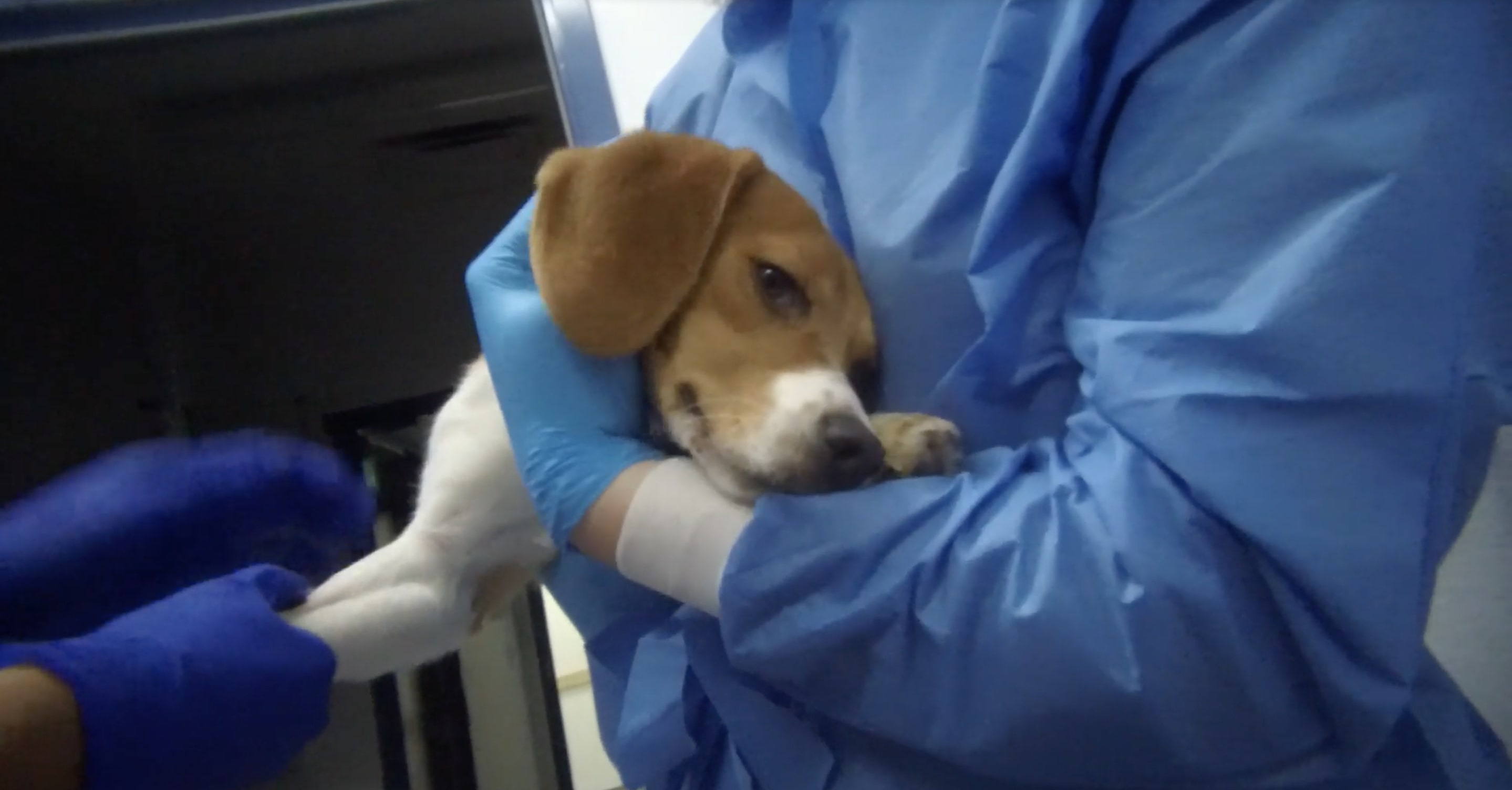 Tested & Killed |
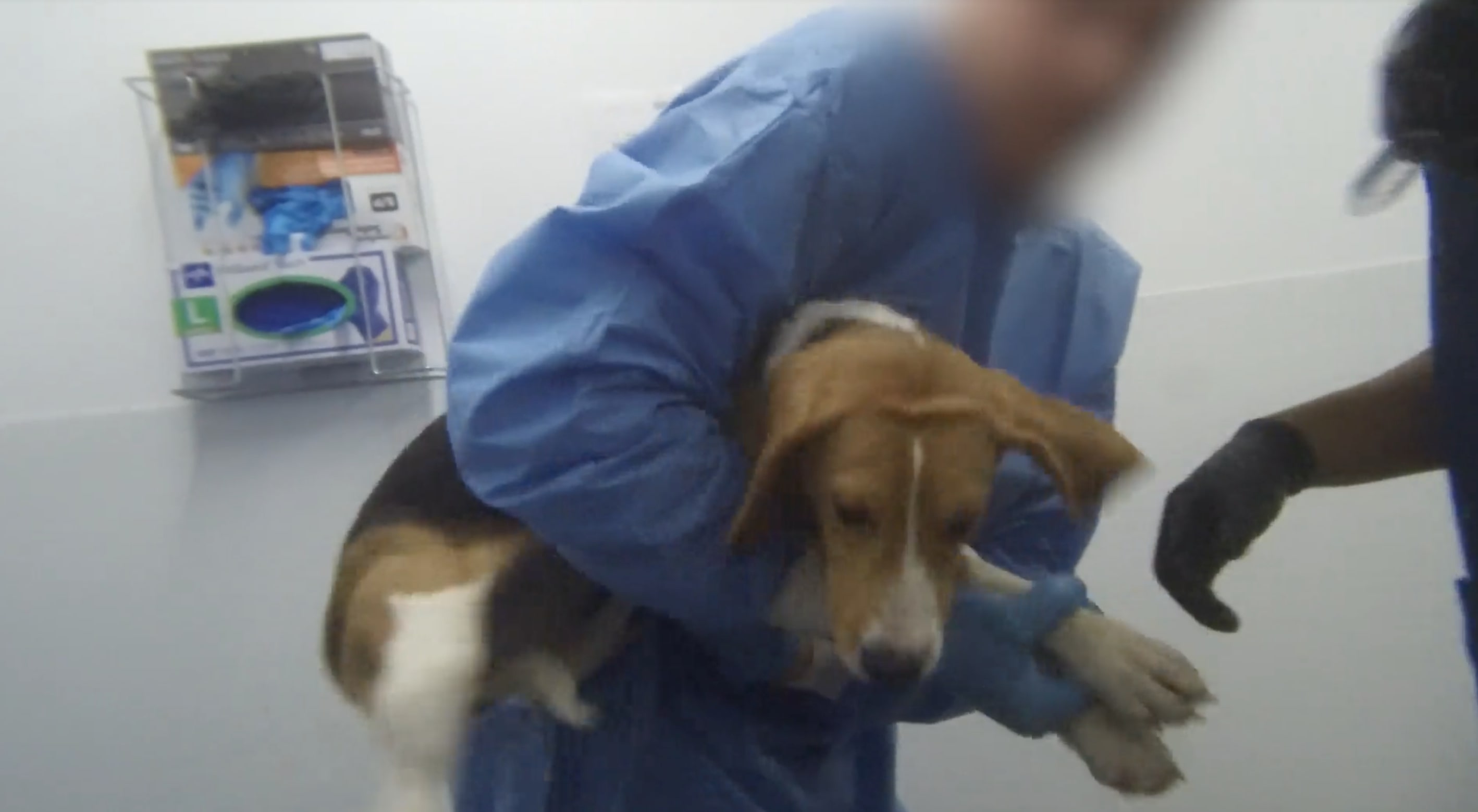 Dog Struggling |
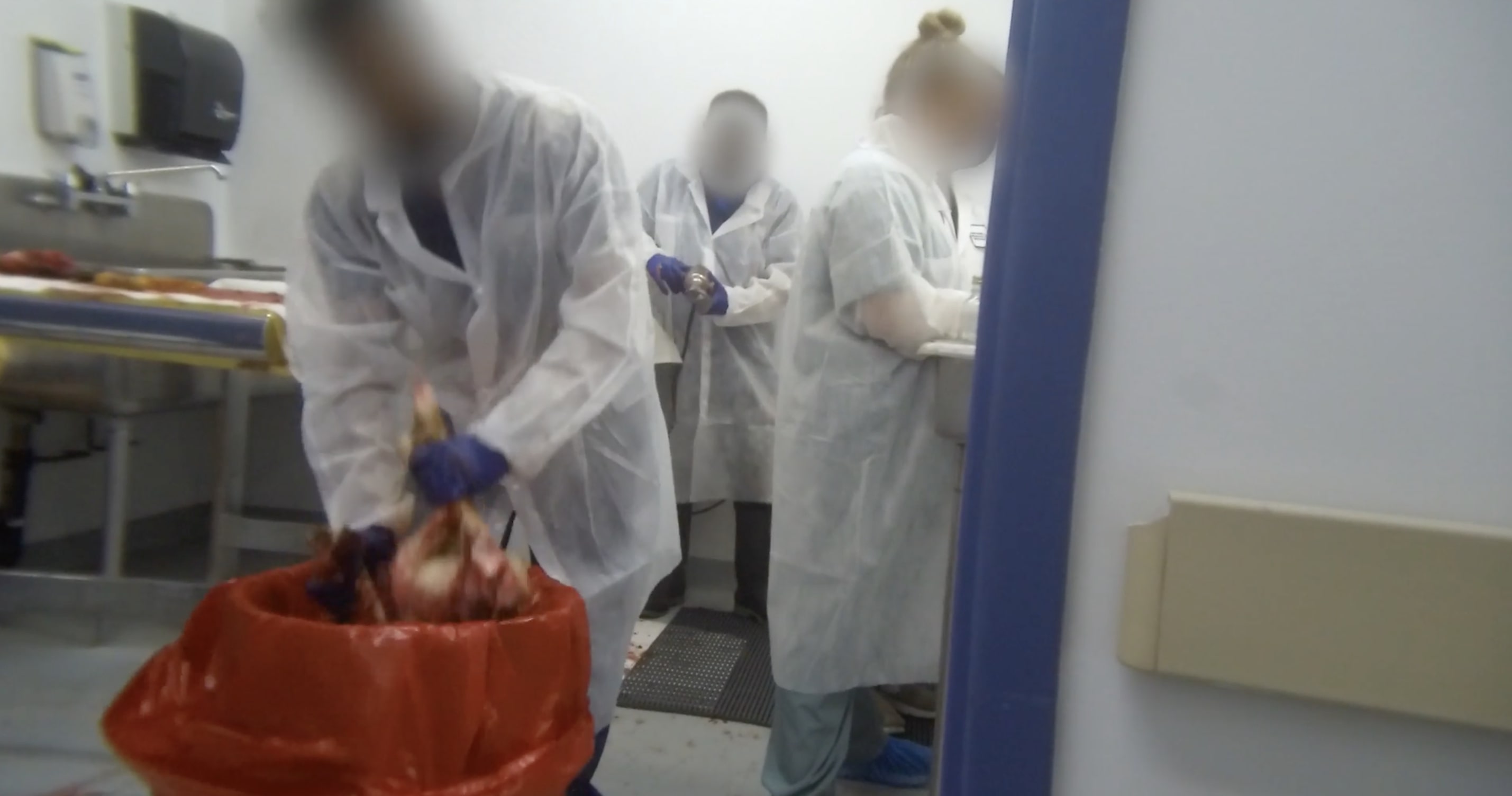 Dog Trashed |
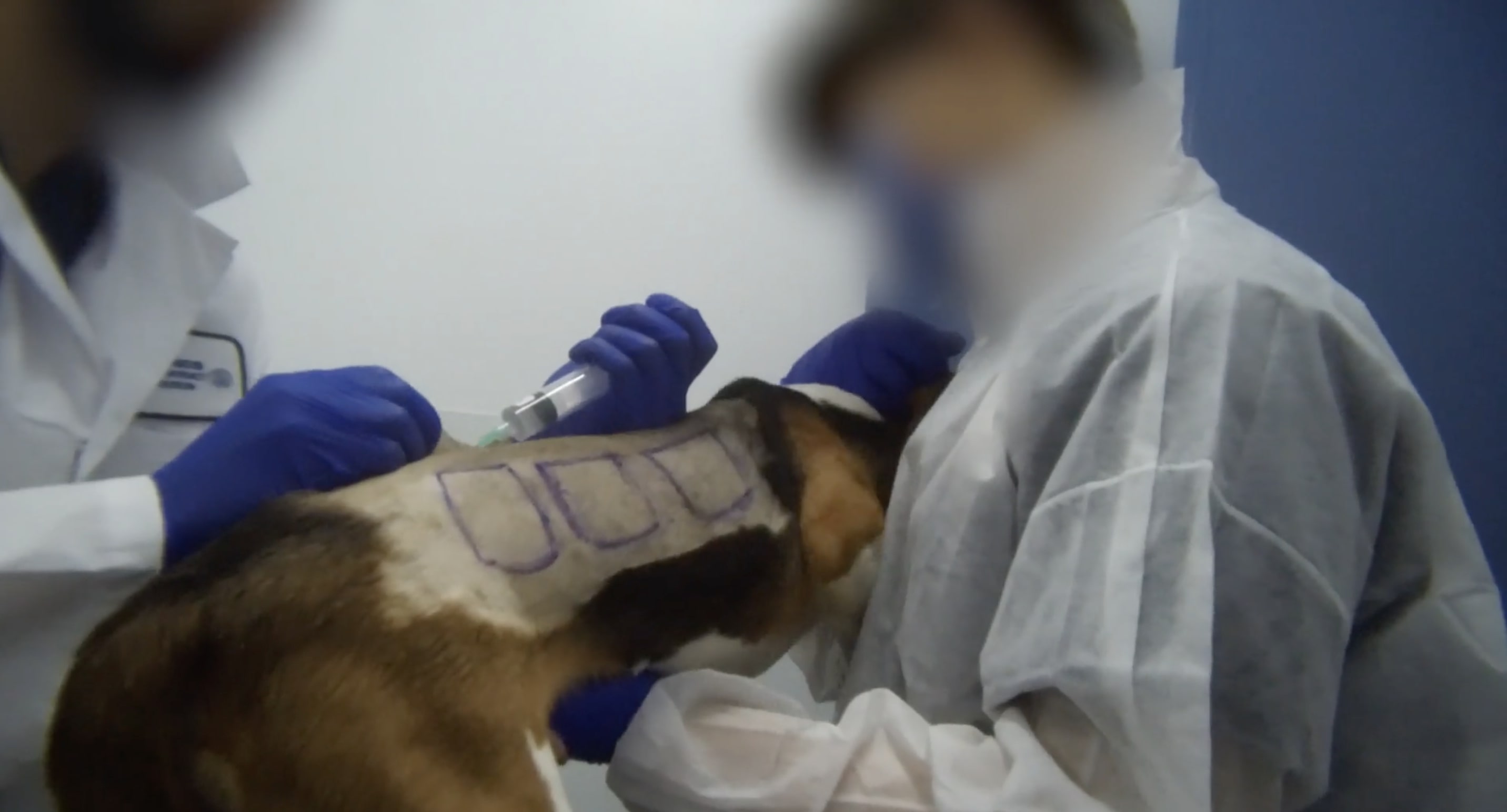 Injection Sites |
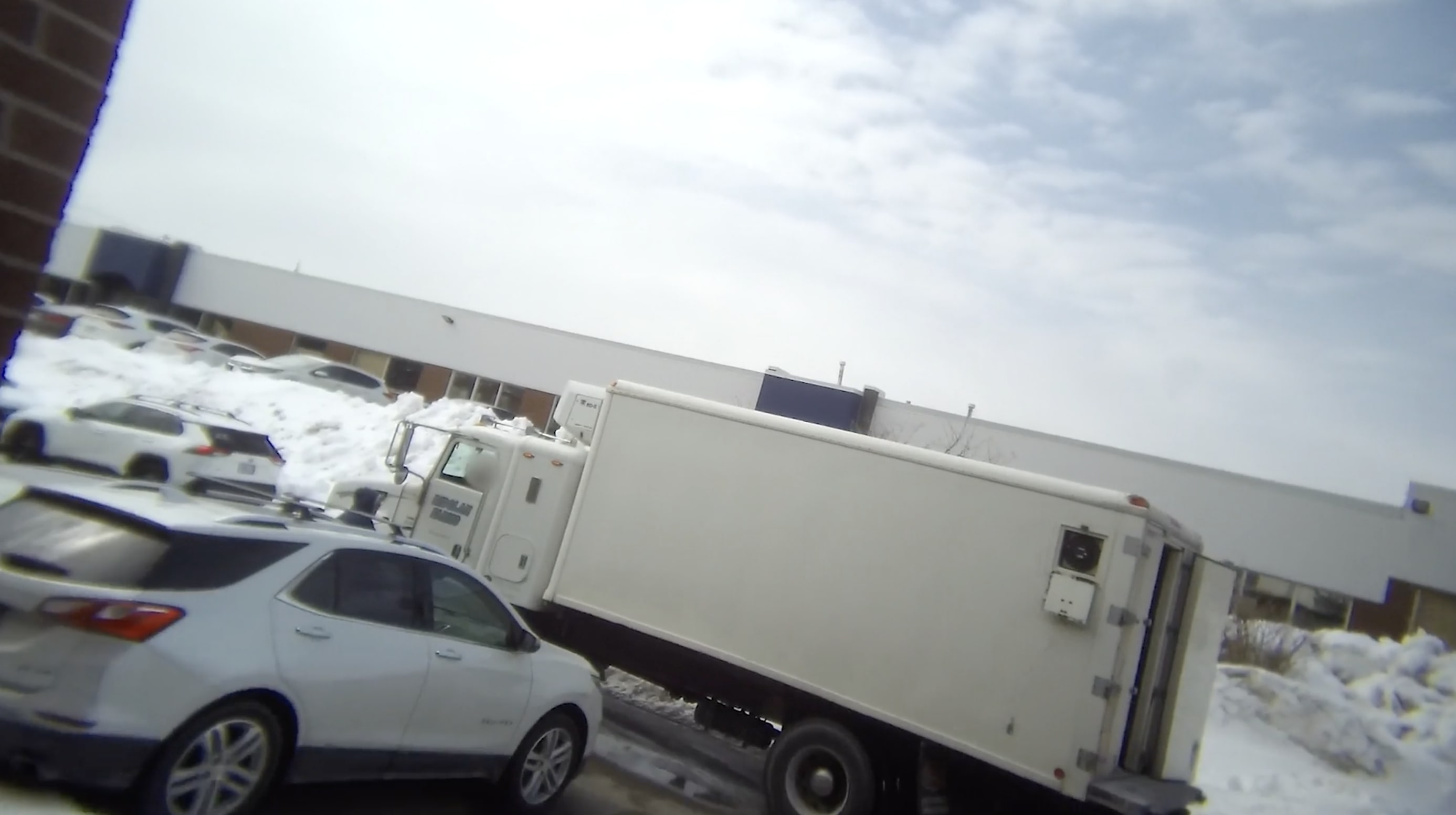 Ridglan Farm Truck |
WHERE DO THE BEAGLES COME FROM?
Nucro-Technics purchased dogs from Ridglan Farms in Mt. Horeb, Wisconsin, the second-largest U.S. breeder of dogs sold to research facilities, which has been in business since 1966. Ridglan is licensed by the United States Department of Agriculture (USDA) as a breeder and research facility. The USDA's May 2025 inspection report stated Ridglan had 2,502 dogs at its facility (1,927 puppies and 575 adults).
In October 2025, Ridglan agreed to shut down its dog sales and breeding-for-sale operations, stemming from a 2017 DxE investigation documenting the filthy conditions and psychological trauma of dogs. Ridglan will surrender its Wisconsin Department of Agriculture, Trade, and Consumer Protection license by July 1, 2026, in exchange for the state not filing criminal charges regarding the brutal mistreatment of beagles.
Ironically, Ridglan Farms will be allowed to remain in operation and continue breeding dogs for its own research.
CANADA'S BROKEN ANIMAL RESEARCH SYSTEM
The Canadian Council on Animal Care (CCAC) is a non-profit organization that provides national oversight for laboratory animal care across Canada. The CCAC publishes animal care guidelines for all species used in research, including dogs. However, there is no federal government agency in Canada that regulates labs. Although CCAC certification is not mandatory, laboratories that are not certified may be ineligible for certain funding. Nucro-Technics is certified by the CCAC and holds a Public Health Service (PHS) Approved Animal Welfare Assurance with the U.S.-based National Institutes of Health (NIH). Facilities with PHS Assurance can work on research projects funded by the NIH.
In 2024, 9,252 dogs were used in CCAC-Certified institutions; however, this number may be higher, as the data reflect only certified institutions. The reported number includes 2,578 purpose-bred and 6,674 random-source dogs. The beagles Nucro-Technics purchased from Ridglan are considered purpose-bred.
EXPERT STATEMENT
Dr. Nicholas Dodman, B.V.M.S., and Professor Emeritus at Tufts University, after viewing LCA’s Nucro-Technics investigation, stated:
Dogs are conscious, sentient creatures who should never be treated this way. There’s so much wrong. I don’t know where to start. Life in a cage is no life at all. The poor [dogs] are subjected to inhumane housing conditions and have essentially no freedom. They are unable to perform normal species-typical behaviors, and so erupt into displacement behaviors, such as circling.
For the individual dogs concerned, life is pure hell from puppyhood to the trash can. These practices should not continue, and the drug companies involved should find alternative ways to test their products. There is always another way that doesn’t involve essentially torturing animals and then killing them.
BE A COMPASSIONATE CONSUMER
What LCA uncovered revealed a disturbing reality, where suffering is routine, and animals' lives are treated as disposable.
You can help prevent animal suffering by avoiding products tested on animals, including pharmaceuticals, household products, and cosmetics. Look for the Leaping Bunny symbol on products. The Leaping Bunny Program requires that the company, its laboratories, and its ingredient suppliers use no animal testing at any phase of product development.
WATCH OUR UNDERCOVER INVESTIGATION INTO ITR RESEARCH LABORATORY NARRATED BY JOAQUIN PHOENIX